top of page

Hats
The Sun-Smart Collection
Click here to edit the text and include the information you would like to feature.

Shoes
Comfort X Design
Click here to edit the text and include the information you would like to feature.
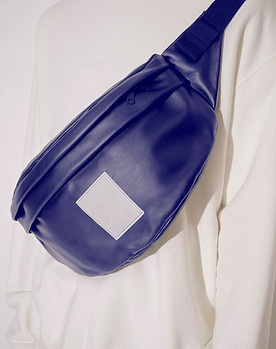
Bags
Transport In Style
Click here to edit the text and include the information you would like to feature.
Hats
The Sun-Smart Collection
Click here to edit the text and include the information you would like to feature.
Shoes
Comfort X Design
Click here to edit the text and include the information you would like to feature.
Bags
Transport In Style
Click here to edit the text and include the information you would like to feature.
- Experience Architect -

P&G
Product Innovation
Proctor & Gamble presented team the task of designing a low/zero waste (environmental footprint) solution (product/package) for home cleaning products.
Collected insights through 3 rounds of in-person consumer interviews and brainstormed 10+ design ideas with multiple prototypes each, to eventually reach our final recommendation.
The contents of this project are subject to NDA with P&G. Images have been blurred to protect confidentiality.
Project type: Product Design, Design Research
Human-Centered Product Design studio (10wks)
My role: Product Designer, Design Researcher, Visualization Lead
Skills: Design Research & Synthesis, Prototyping, Storytelling
Sponsor: Procter & Gamble
Rhino 3D modeling, Keyshot, Adobe PS & Ai, Mural, Powerpoint

Rita Wang
Experience Design
Social Impact

Auston Ferrarer
Product Design, Design Engineering


Alex Andreiu
UI/UX, Design Research
Annie Thomas
Product Design, Design Engineering
Creating a minimal-waste solution for brick and mortar stores to reduce the carbon footprint of P&G homecare products while maintaining product quality and addressing existing consumer tensions without dramatically increasing product cost.
Creating a dry form laundry solution that improves ease of use for existing powder detergent while also facilitating more environmentally minded behavior.
Design Objective
Targeted Consumer
We designed for people who are:
-
Highly educated, > $35,000 HH income
-
Actively practicing sustainable behaviors and putting environmental impact as important criteria in choosing household cleaning products
-
Super Greeners & Motivated Mainstream Green
HOW MIGHT WE
Design a trustworthy, zero-waste laundry product that provides better shopping & using experience and encourages greener behaviors?
HMW


Discovering key reasons hinder motivated mainstream greeners from pursuing low-waste lifestyle and sustainable shopping habits and leveraging cost, efficiency and aesthetics, our team proposed product Tide Squeez, under P&G Tide laundry detergent line.
Tide Squeez is a set of product that mainly contains one detergent container bottle and 3 pieces detergent tablets. Concentrated dry-form detergent tablets that dissolved to liquid solution can easily trigger consumers' familiarity to liquid detergent, which makes a brand new product easy to use and at the same time, decrease the carbon footprints. Small sized product encourages easy grab-and-go brick-and-mortar behavior and motivates timely refill. With one simple squeeze, consumers can have a customized clean with ease and smiles.


Intuitive
Mess-free
Efficient
Customizable
Transportable
Enjoyable
Design Solution
PROCESS
1
2
3
ETHNOGRAPHIC RESEARCH
We conducted one round with 8 in-home user interviews and interviewed consumers who purchase eco-friendly products and try their best to decrease carbon footprints within a product lifecycle. They want to be sustainable but sometimes get frustrated by unexpected tradeoffs. We listened to their stories and understood their frustrations with current home-cleaning products. We also observed inconsistencies between their words and what they were actually doing. From conversations and observations, we understand underlying tensions and opportunities for improvement with empathy.
Project details under NDA


"...at the beginning of the process it's a hassle, but then once I've done it, I feel much better"
Project details under NDA


ANALYSIS & SYNTHESIS
By gathering all of our learnings from the home visits as well as secondary researches on existing innovative home-cleaning products and consumer using habits, we debriefed and categorized our findings under three essential sections of a product's life cycle - buying, using & storage, end of life. Following that, we further summarized them to key insights and How Might Wes to guide our next steps. Through frameworks like journey mapping based on behavioral paterns, we understood consumers' struggles toward different using stages of home-cleaning products and their requirements for future improvements.
NARROWING DOWN
4
5
6
Midway presentation
After several rounds of team brainstorming, by constantly looking back to our existing learnings, we pinned down our ideas from a huge range of home-cleaning products to one product type that has the most design energy: laundry detergent. We found out that current detergent products have the most diverse product forms, from regular liquid solution seen most often, to innovative cloth-cleaning solutions like concentrated detergent tablets and sheets. Beside cloth cleaning, detergent products also contain cloth-drying related products like drying sheets and scent beads, as well as spotted stain cleansers. Among all home-cleaning products, detergent is used most frequent in American families especially families with kids. Thus, it provided us infinite design potentials and we decided to generate related design concepts.
Project details under NDA


7
8
PROTOTYPING
Project details under NDA


After narrowing down design direction to laundry detergent and generate a pool of viable, feasible and desirable options, we crafted specific design requirements and built variations of prototypes ranging from low-fidelity to quickly learn from to mid-fidelity to gain further understanding from. Prototypes consisted of hand-drawn illustrative storytelling boards, existing product workarounds, foam core models, and wireframes. We separated prototypes to three groups, which individually focused on forms of laundry detergents, refilling & recycling services, and detergent container design.
USER TESTING & REDIRECTION
Through central site visits where consumers were invited to hands-on prototypes and provide authentic feedbacks, we obtained further understandings on consumers' specific preferences on different forms of detergent, container appearance, materials and functionality, as well as, ideas on refilling & recycling services. During the process, we used methods such as card sorting, ranking, co-creation, contextual simulation, role playing and storyboarding to help us better gather information. With all those learning, we conducted several rounds of debriefs and generated personas to help present our research, ideas and further steps to the class and design coaches from P&G. Our conversations with design coaches led us to narrow our focus to fabric care products and hone in on a more specific target user.
Project details under NDA


FINAL PRODUCT IDEATION


Gathering feedbacks from midway presentations and learnings from previous researches, we reframed our design objective and refreshed our key design requirements to better guide our final design. Under the key design requirements including transportability, customizability, mess-free, high efficiency, aesthetics, visual feedback,` intuitive design, and zero-waste, we conducted several rounds of rapid ideating activities and grouped them to categories we were excited to extend further.
FINAL USER TESTING & IDEATION
Based on those in-depth ideas, we then had another round of mid-fidelity prototyping and following User-look interview to test out feasibility of specific design features. We pinned down our final design to a dry-form laundry solution where we found out the most design energy and opportunities. With excessive emotional and functional analysis, we confirmed design features we would like to apply onto our final product and other details that can be further integrated.
Project details under NDA


Project details under NDA


PRODUCT PITCH & BRAND
STRATEGY
We explored how to best place our solution in the market and appeal to consumers who were already overwhelmed by the choices available to them. Understanding that trust and cost-efficiency played a vital role in the decisions consumers make for their sustainable purchase, we devised a brand strategy leveraging one of Procter & Gamble's core and trusted laundry detergent brands as the owner of our solution. In our final design, we presented a set of products to ensure the exclusiveness P&G will possess.
Our final deliverable includes:
-
Project Objective
-
User Journey
-
Product Journey
-
Tensions
-
Design requirements
-
Consumer pitch video
-
Physical Prototypes
-
Digital Product & Renders
-
Executive summary
-
Recommended next steps
As the product designer and visualization lead, I was mainly in charge of final ideation, sketching, digital modeling and rendering.
GAINS & LOSSES
-
Customizable Laundry detergent
-
Easier transportation of detergent from store to home & around home space
-
Less cabinet storage space for different laundry products
-
More eco-friendly carbon footprint through entire product life cycle (production, transportation, consumption, end-of-life)
-
Less strenuous and more enjoyable measuring and pouring experience
-
Instant access to detergent directly from a large container with no additional tasks required
-
Not needing to worry about replenishing detergent until after 100 loads (bulk buying)
-
Familiarity to existing laundry product models and using habits

Design Process
bottom of page