top of page

Hats
The Sun-Smart Collection
Click here to edit the text and include the information you would like to feature.

Shoes
Comfort X Design
Click here to edit the text and include the information you would like to feature.
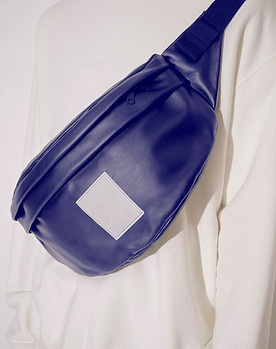
Bags
Transport In Style
Click here to edit the text and include the information you would like to feature.
Hats
The Sun-Smart Collection
Click here to edit the text and include the information you would like to feature.
Shoes
Comfort X Design
Click here to edit the text and include the information you would like to feature.
Bags
Transport In Style
Click here to edit the text and include the information you would like to feature.
- Experience Architect -

P&G
Product Innovation
Procter & Gamble presented team the task of designing a low/zero waste (environmental footprint) solution (product/package) for home cleaning products.
Collected insights through 3 rounds of in-person consumer interviews and brainstormed 10+ design ideas with multiple prototypes each, to eventually reach our final recommendation.
The contents of this project are subject to NDA with P&G. Images have been blurred to protect confidentiality.
Project type: Product Design, Design Research
Human-Centered Product Design studio (10wks)
My role: Product Designer, Visualization Lead, Design Researcher
Skills: Design Research & Synthesis, Prototyping, Storytelling
Sponsor: Procter & Gamble
Rhino 3D modeling, Keyshot, Adobe PS & Ai, Mural, Powerpoint

Rita Wang
Experience Design
Social Impact

Auston Ferrarer
Product Design, Design Engineering


Alex Andreiu
UI/UX, Design Research
Annie Thomas
Product Design, Design Engineering
Procter & Gamble is aimed to achieve sustainability through the ease of packaging & watery, in order to eventually leave positive impact on the bigger environment.
Our goal was to reimagine a home care and fabric cleaning solution by thoroughly learning user's unmet needs and utilizing human-centric problem solving approaches.
Design Objective
This project is under an NDA; Full details about process and product creation cannot be disclosed.
HOW MIGHT WE
Design a trustworthy, zero-waste fabric care product that provides better shopping & using experience and encourages greener behaviors?
HMW

Intuitive

Mess-free

Efficient

Customizable

Transportable

Enjoyable
Discovering key reasons hinder motivated mainstream greeners from pursuing low-waste lifestyle and sustainable shopping habits and leveraging cost, efficiency and aesthetics, our team proposed a new product, under P&G fabric care line.
With one simple action, we hope consumers can have a customized clean with ease and smiles.
Design Solution
PROCESS
1
2
Project details under NDA
ETHNOGRAPHIC RESEARCH
We conducted 8 in-home consumer interviews as part of our ethnographic research. We listened to their stories and understood their frustrations with current home-cleaning products. We also observed inconsistencies between their words and what they were actually doing. From conversations and observations, we understand underlying tensions and opportunities for improvement with empathy.


"...at the beginning of the process it's a hassle, but then once I've done it, I feel much better"
3
Project details under NDA


ANALYSIS & SYNTHESIS
We brought our learnings from the home visits as well as secondary researches to a synthesis phase where we further framed them under three essential sections of a product's life cycle - buying, using & storage, end of life. Following that, we crafted overarching key insights and How Might Wes to guide our next steps. By extracting key takeaways, we created journey maps to understand consumers' struggles on different usage stages and their requirements for future improvements.
NARROWING DOWN
We discovered areas of ambiguity and ideated around three main 'how might we' statements. We put aside feasibility to allow ourselves to think outside the box and reach out to solutions that can only exist in the future. We listed design requirements that we wanted our final product to obtain and started prototyping.
4
Project details under NDA


5
Project details under NDA


PROTOTYPING
After extensive brainstorming, we landed on 7 concepts to prototype and further test with users during our second round of user testing. Prototypes consisted of hand-drawn storytelling boards, existing product workarounds, foam core & cardboard models, and kitchen ingredients. We separated prototypes to three groups based on their common features.
I was responsible for making and showcasing the group 2 prototypes.
6
Mid Review
Project details under NDA
USER TESTING & REDIRECTION
We tested our prototypes with 7 consumers to understand how they would value certain features and concepts. During the process, we play around interactive methods such as card sorting, ranking, co-creation, contextual simulation, role playing and storyboarding to help consumers better engage with our products and gave out feedbacks, or even co-brainstorming new idea.
Our conversations with design coaches led us to narrow our focus to fabric care products and hone in on a more specific target user.


7


FINAL PRODUCT IDEATION
Utilizing the feedback from our final round of user testing, we reframed our design objective and refreshed our key design requirements to better guide our final design. Under the key design requirements of transportability, customizability, mess-free, high efficiency, aesthetics, visual feedback, intuitive, and zero-waste, we eventually came out our final solution.
Project details under NDA
PRODUCT PITCH & BRAND
STRATEGY
We explored how to best place our solution in the market and appeal to consumers who were already overwhelmed by the choices available to them. Understanding that trust and cost-efficiency played a vital role in the decisions consumers make for their sustainable purchase, we devised a brand strategy leveraging one of Procter & Gamble's core and trusted laundry detergent brands as the owner of our solution. In our final design, we presented a set of products to ensure the exclusiveness P&G will possess.
Our final deliverable includes:
-
Project Objective
-
User Journey
-
Product Journey
-
Tensions
-
Design requirements
-
Consumer pitch video
-
Physical Prototypes
-
Digital Product & Renders
-
Executive summary
-
Recommended next steps
As the product designer and visualization lead, I was mainly in charge of final ideation, sketching, digital modeling and rendering.

WHAT I LEARNED
-
Really standing in consumers' shoes without projecting my own thoughts is essential
-
What consumers say are their current practices or preferences may not line up with their actual practices and preferences. Research under real context is crucial in understanding consumers' true needs.
-
Intensively ethnographic research and synthesis are definitely out of my comfort zone, not even say design with all those "constraints". I learned how to break down information and extract key takeaways by flexibly using all different existing frameworks or creating my own.
-
It was a fun, exhausting, but absolutely rewarding process that pushed me to my limit and stimulate me to make a breakthrough of myself.
Design Process
bottom of page